The Centro de Reabilitação e Integração Torrejano (CRIT) {The Torres Novas Rehabilitation and Integration Centre} promotes vocational courses for youngsters with disabilities and difficulties with social integration, who have left school. Within the remit of the partnership with Altri, many of these trainees contribute towards the industry’s reforestation projects.
They gather the seeds, plant them in the soil, help them to germinate and then watch them grow into trees. The students on the gardening operator course at the Centro de Reabilitação e Integração Torrejano (CRIT) – which works to integrate youngsters with disabilities into the employment market – thus contribute towards the reforestation projects devised by Altri, Europe’s leading sustainable paper pulp production group.
The partnership between CRIT and Altri started to bear fruit eight years ago, initially with the gardening operator course, which was later extended to the wood finish and property operator course.
According to Liliana Felício, a social worker and coordinator of the CRIT’s training and employment sector, “The relationship with Altri began in 2014, with the maintenance of the gardens at the group’s headquarters in Constância, and it then started to grow with some of the products we make which were included in the hampers and other gifts from Altri to its partners, such as teas and jams… then we started gathering seeds and germinating plants. More recently, the partnership has extended to another course, the wood finish and property operator course, where we have been able to rise to Altri’s challenge to produce nesting boxes for birds bearing the company’s logo, to be placed around the forests to promote biodiversity.”

Association with companies
This link between the training centre for people with disabilities and the employment market has been a constant since the CRIT was formed in 1977. “The CRIT has always sought to associate itself with companies within the sphere of vocational training. We want our courses to be practical and to work with a product that will be accepted by the community. The idea was to involve companies and show them the potential of the work performed by people with disabilities,” adds Liliana Felício.
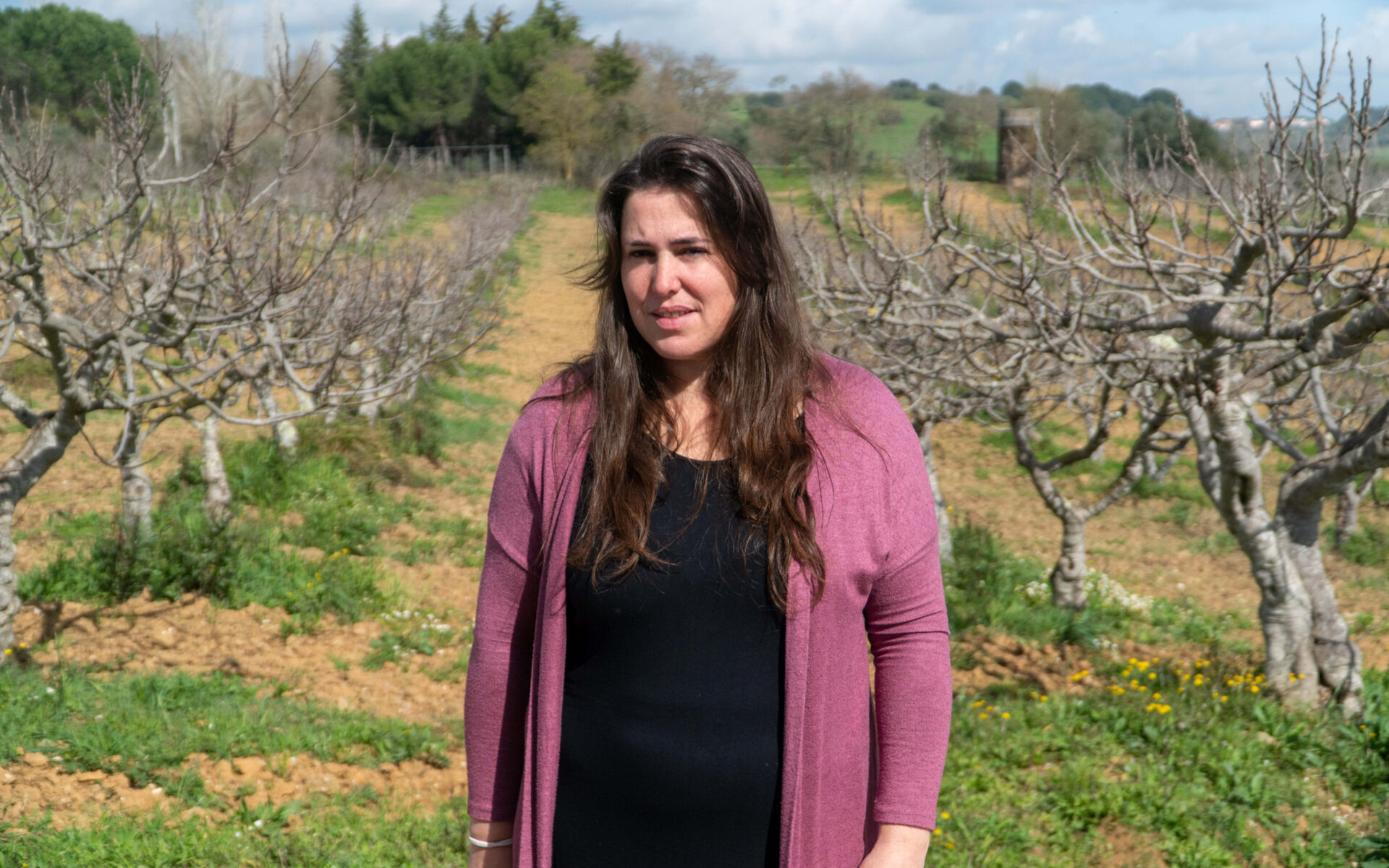
Liliana Felício, a social worker and coordinator of the CRIT’s training and employment sector.
One of the companies involved was Altri. “Sílvia Soares, a forest engineer, came over to start up our gardening course and saw that our work could help Altri’s mission. In other words, we could make some products which could be used within the dynamics fostered by Altri, both in terms of handicrafts and organic produce, and collecting seeds and growing indigenous trees for reforestation projects.”

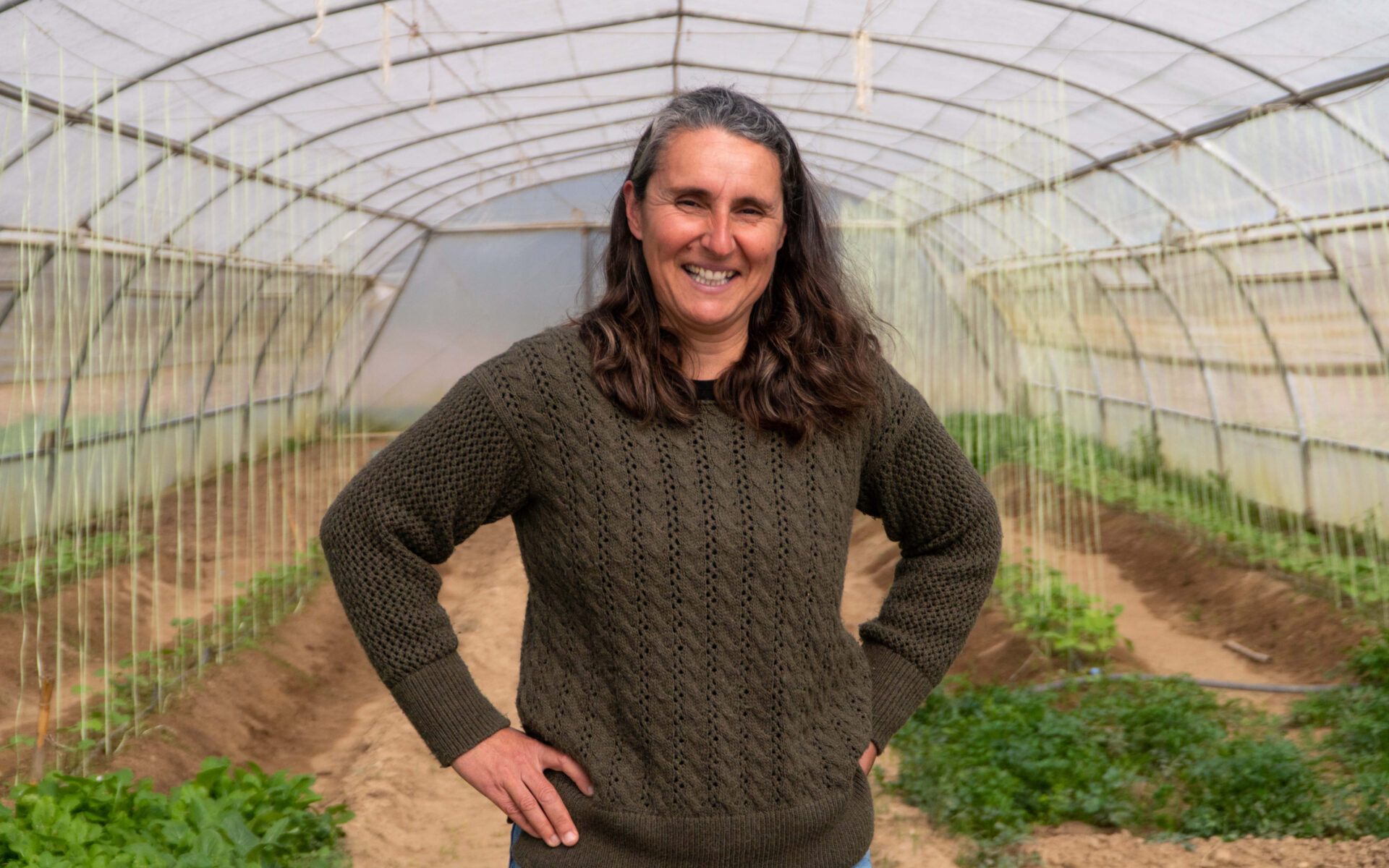
Sílvia Soares, an instructor on the agricultural operator and gardening operator courses at the CRIT
A social intervention mission
Liliana Felício, a social worker and coordinator of the CRIT’s training and employment sector, explains what led to the formation of the Centro de Reabilitação e Integração Torrejano rehabilitation centre
When was the CRIT formed?
The Centro de Reabilitação e Integração Torrejano rehabilitation and integration centre was built in 1977 for the purpose of helping the disabled community for whom there was no appropriate social care at the time, either in the borough of Torres Novas or in neighbouring boroughs.
What is the CRIT’s goal?
The CRIT’s goal or mission is to educate, train and ensure the social and professional integration of people with disabilities and impairments and other disadvantaged people.
How are you having an impact in the region?
For many years we were focused on working exclusively with people with disabilities, from childhood until adult age. Then, over the years and with all the social issues which arise, and because of the size to which the CRIT grew here in the borough of Torres Novas and surrounding boroughs, we ended up also developing social intervention projects which are more suited to the characteristics of the borough.
In which boroughs do you operate?
We work more in the boroughs of Torres Novas, Alcanena, Entroncamento, Golegã, Barquinha and to a lesser extent in others in the region because we are well placed in terms of transport.

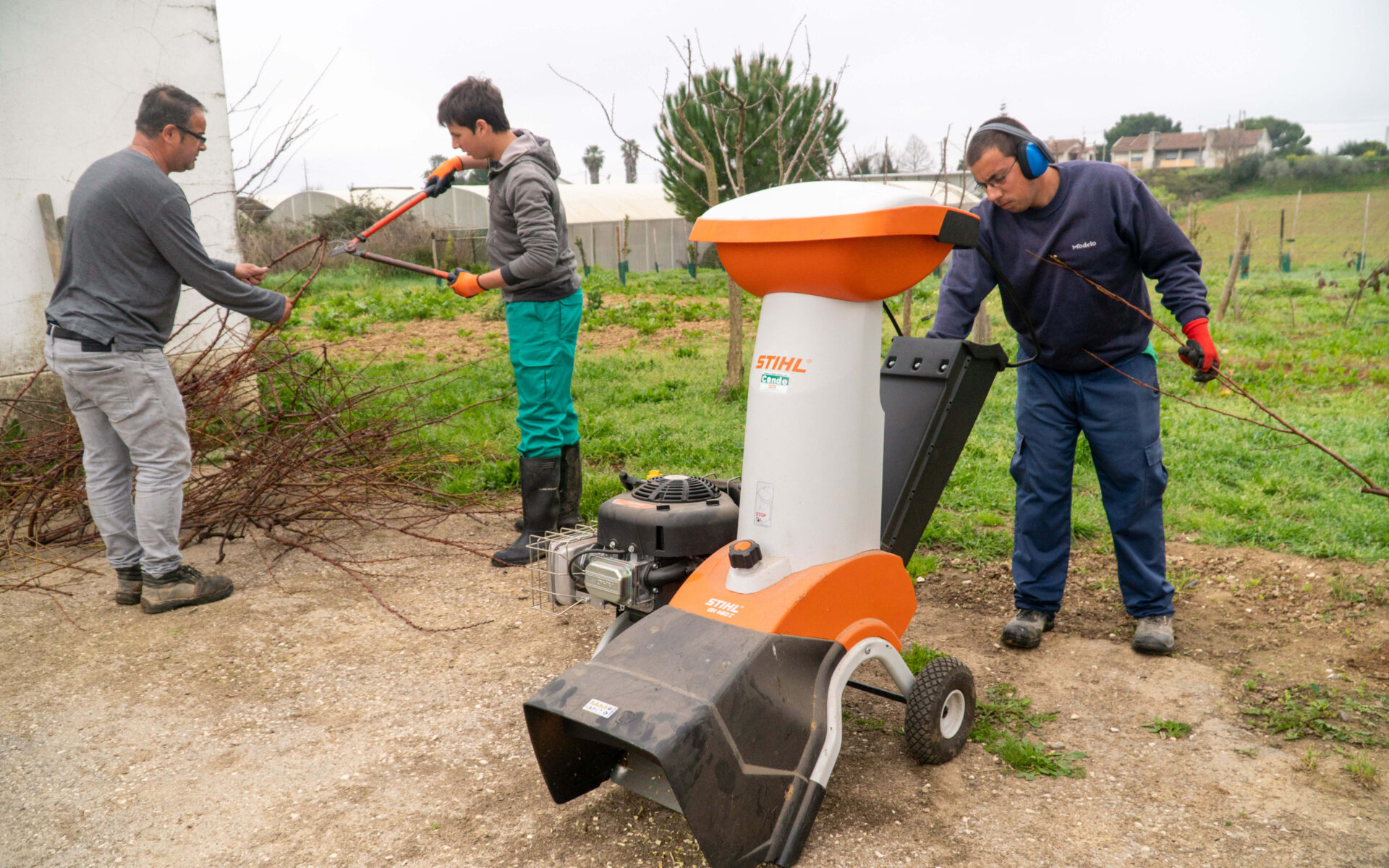
ALTRI / CRIT project involving the institution’s agronomy classes.
When did you start with your vocational training?
The vocational training came about in 1988 under the terms of funding initiatives which arose. We started off small and now we have 115 employees. We ended up embracing all projects which aimed to increase our capacity for intervention. The vocational training also started with some areas which have now been scrapped, such as knitting, metalworking, computing and bookbinding…
Which new areas of training took their place?
Over the years the CRIT has been modernising and adjusting to the needs of the market. We now have courses for agricultural operators; gardening operators; warehouse operators; family carers and community assistants; cooks; wood finish and property operators and leather tanners.
Are leather tanners a response to the local market?
It’s more suited to this region’s needs than other courses because we’re located close to the borough of Alcanena, which is Portugal’s leather capital, and we have this on-the-job training project, which is the only one which comes exclusively from the company which operates in that market and it’s very specific. It’s generated a lot of employment and it’s needed.
How many people are in training at the CRIT?
In February / March we had around 100 trainees, 40 of whom are finishing or have finished their courses. Since the middle of last year we’ve had 62 people but we’re going to be accepting more students. We have an average of around 90 students per training cycle.